Stylist Job Description
Building the look — selecting and combining garments for shoots, shows, clients and campaigns
A stylist decides what the clothes look like on the person, in the picture, on the stage. Designers create garments; stylists choose, combine, fit and present them — for editorial photo shoots, advertising campaigns, runway shows, television and film wardrobes, e-commerce imagery and private clients. The work is equal parts taste and logistics: an instinct for how garments, shoes, jewellery and hair compose into a single believable look, and the organisational grit to source dozens of pieces, keep every one accounted for, and hand them all back undamaged.
More Miscellaneous Job Descriptions by Letter:
What a Fashion Stylist Does
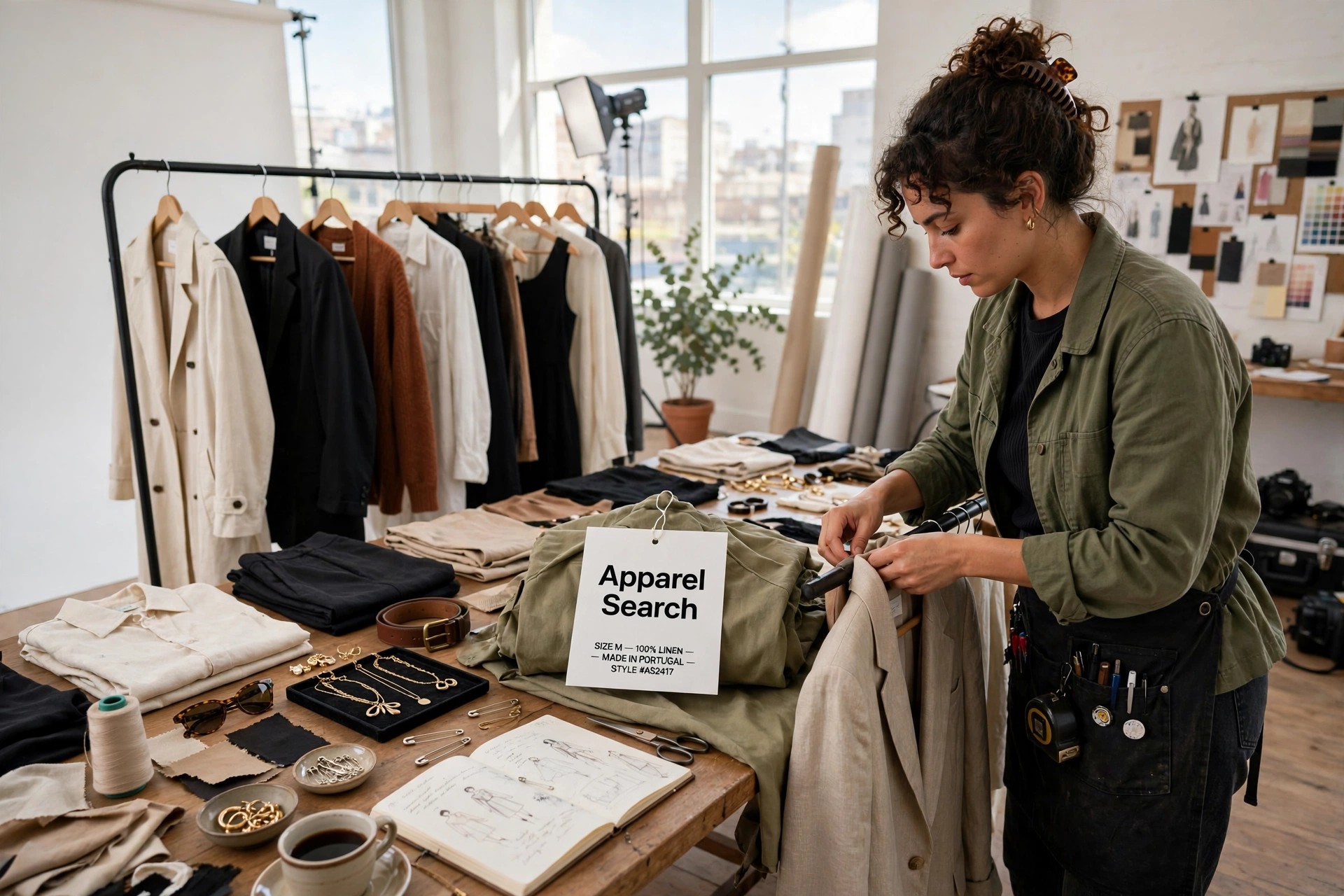
Every commission starts with a brief — a magazine story, a brand's campaign, a show's running order, a client's event — and the stylist answers it with research and a visual direction: mood references, colour and silhouette ideas, the pieces that will carry the look. Then comes sourcing, the job's least glamorous and most decisive part. Stylists pull garments from designers' showrooms, press offices, retailers and rental houses, arrange loans and call-ins, track every item on loan sheets, and assemble complete, fitted options for each shot or scene — with alternatives, because the first choice so often fails on the body or the camera.
On the day, the stylist is the last hands on every look. They dress models and clients, fit and pin garments to read perfectly on camera, steam and prepare pieces, manage quick changes backstage at shows, and stand at the photographer's shoulder checking the frame — a twisted strap, a crease, a shoe that fights the dress — while the images are made. Screen wardrobe work adds continuity records so outfits match across scenes filmed weeks apart. When the work wraps, everything is checked, packed and returned, and the loan record must balance to the last belt, because showrooms lend next season to stylists whose returns they trust.
The Different Kinds of Styling Work
Editorial and commercial styling serve different masters. Editorial work for magazines and digital publications is image-led and often modestly paid, but it builds the portfolio and reputation the career runs on. Commercial work — advertising, catalogues, e-commerce and brand content — is better paid, more plentiful and more constrained, styling to a client's product and customer rather than to a personal vision. Runway and show styling is choreography under time pressure, while personal styling and image consultancy work one-to-one: wardrobe audits, shopping trips and occasion dressing for private clients, a people business as much as a fashion one.
Most working stylists blend these strands across a month, assisted rather than employed — the occupation is heavily freelance, with stylists hired per shoot, per show season or per client, and building the diary is part of the job. Established names are represented by agencies that negotiate fees and place them with publications and brands, but agency rosters are earned through years of assisting and published work, which is why the assisting years are treated as an apprenticeship rather than a detour.
Skills and Abilities the Role Requires
The visible skill is the eye: proportion, colour, texture and fit judged instantly on different bodies, and a fashion knowledge deep enough to reference a silhouette's history while knowing this season's rails cold. The invisible skills pay for it. Organisation under chaos — loan sheets, call sheets, fitting schedules, receipts and returns — negotiation with press offices, diplomacy with photographers, clients and talent who all believe the look is theirs, and calm problem-solving when the hero dress arrives two sizes wrong an hour before the shoot.
Practical craft matters more than outsiders expect. Stylists sew on buttons, tape, pin and pad, know how fabrics photograph, understand body shapes rather than sample sizes, and handle valuable garments with a conservator's care, because a stained loan piece is a bill and a reputation. A driving licence and a kit — pins, tape, clamps, steamer, sewing basics — are working tools. Reliability is the currency underneath everything: stylists are rebooked by people whose day they saved, and quietly dropped by everyone else.
Qualifications, Training and Career Path
There is no licence and no single qualification; stylists are hired on portfolio and reputation. Fashion, styling, photography and media courses give useful grounding, contacts and time to build a book of test shoots, but the standard route remains assisting: working under established stylists on real shoots, learning the loan system, the etiquette and the pace, while building your own portfolio on tests with photographers and models at the same stage. From assisting, stylists progress to styling their own smaller commissions, then to regular editorial and commercial clients.
Careers mature in several directions: senior and fashion-editor roles on publications, where styling becomes commissioning and directing other stylists; agency representation and a name client list as a freelance; creative direction across campaigns and shows; or a personal-styling practice with retainer clients. Some stylists move into buying, visual merchandising and brand consultancy, where the same eye is applied to ranges and stores. At every stage the assets are the same: a portfolio that proves taste and a contact book that proves trust.
Common Questions
What does a fashion stylist do?
A stylist selects, sources, fits and presents garments and accessories for photo shoots, campaigns, runway shows, screen wardrobes and private clients — building complete looks, managing loans and returns, and dressing and refining every look on the day.
How do you become a fashion stylist?
By assisting established stylists while building a portfolio of test shoots, then taking your own commissions as your book and reputation grow. Courses in fashion or styling help, but hiring is based on portfolio, contacts and reliability, not a licence.
Is styling a full-time job or freelance work?
Mostly freelance. Stylists are typically hired per shoot, show or client, often through agencies once established, and combine editorial, commercial and personal styling across the month. Some staff roles exist on publications and with large retailers.
More to Explore
- Fashion Employment Agencies
- Employment Search Engines
- Fashion Job Description Directory
- Fashion Directory
- Fashion Industry News
- Fashion Schools and Education
- Fashion Careers
- Apparel Industry Links
- How to Become a Fashion Stylist
- Hair Stylists
- Stylist Agencies
- Makeup Stylists
- Image Consultants
- Runway Shows
- Fashion Week
- Fashion Magazines
- Beauty Directory