Women's Cotton Flannel Sleepwear Guide
The whole flannel sleep family in one place — sets, separates, pants, and nightshirts compared by warmth, weight, and season.
Shop Women's Cotton Flannel Sleepwear Now
Shop Women's Cotton Flannel Sleepwear on Amazon Shop Women's Cotton Flannel Sleepwear on eBayThe Amazon and eBay links on this page are affiliate links. If you make a purchase through them, Apparel Search may earn a commission.

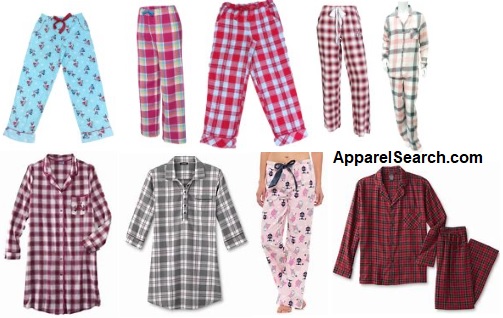
Flannel sleepwear is the umbrella term for everything brushed-cotton that is made for bed: classic button-up pajama sets, separate sleep pants and tops, long sleep shirts and nightshirts, and flannel nightgowns. This page is the family overview, comparing the formats against each other so you can choose deliberately rather than by habit. The shared foundation is cotton flannel itself, a woven cloth brushed to raise a soft nap that traps warm air. Every format uses that cloth differently. A set wraps you in a matched layer from collar to ankle; a nightshirt concentrates warmth on the torso; separates let each half of the body have its own weight and fit. Seasonal buying is the other umbrella question, because flannel spans light autumn cloth and heavy midwinter brushing. Read this comparison first, then follow the links to the dedicated page for whichever format fits your sleep style.
The Family, Format by Format
Classic flannel pajamas are the matched button-up set, the warmest and most traditional option, and the easiest to gift. Flannel sleep pants are the flexible separates, bought to pair with tees and tops you already own and replaced independently when they wear. Flannel sleep shirts are the one-piece nightshirts, free of any waistband and ideal for sleepers who run warm in the legs. Flannel nightgowns extend that one-piece idea to full length for maximum coverage in cold rooms. Flannel loungewear overlaps the family at the edges but is aimed at waking hours at home rather than bed, with tidier styling to match. None of these formats is best in the abstract. The right answer depends on whether you sleep hot or cold, whether you prefer one layer or two, how your home is heated, and whether you value a matched look or mix-and-match economy. The sections below weigh those trade-offs honestly.
Warmth Is a System, Not a Fabric Label
Two flannel garments with the same fabric weight can sleep very differently. Coverage is the first variable: a full set insulates the whole body, while a nightshirt leaves legs to the bedding. Fit is the second: a slightly relaxed cut traps a layer of still air, while a tight garment presses the nap flat and loses insulation. The third variable is your bedding itself; flannel sleepwear under a light duvet in a cool room is the classic combination, while the same pajamas under a heavy winter duvet can overheat anyone. Cotton flannel's saving grace is breathability, so it forgives a wider temperature range than synthetic fleece sleepwear, which insulates aggressively but vents moisture poorly. When in doubt, choose the midweight option and adjust with bedding rather than buying the heaviest flannel available. Most sleepers in modern heated homes find true heavyweight flannel necessary only in genuinely cold bedrooms and unheated houses.
Weights and Seasons: A Buying Calendar
Think of flannel in three bands. Lightweight flannel, around 4 ounces per square yard and often brushed on one side, covers autumn, spring, and warm sleepers in winter. Midweight flannel, roughly 5 ounces and usually double-brushed, is the winter standard for heated homes and the safest single purchase. Heavyweight flannel, 6 ounces and up, is specialty cloth for cold sleepers, drafty rooms, and cabin conditions, and it takes noticeably longer to dry after washing. Buying follows the calendar: shops stock the widest flannel selection in early autumn, discount it after the holidays, and clear the last of it in late winter, which is the thrifty moment to replace a worn set for next year if your size remains.
One Care Routine for the Whole Family
Every flannel sleep format shares the same cotton care, which is part of the family's appeal. Wash in warm water with similar colors, expect lint and a few percent of length shrinkage in the first cycles, tumble dry on medium rather than high, and go easy on fabric softener, which mats the nap that provides the warmth. Sets should be washed together so both halves fade and soften at the same rate and continue to match. Nightshirts benefit from a button or two fastened before washing to protect the placket. Sleep pants, washed most often, show wear first at the seat and inner leg; inspect those areas when you fold laundry and retire a pair before it fails at night. At season's end, store everything clean and fully dry. Brushed cotton stored with body oils or dampness can develop stale odors that take several washes to remove, while clean, dry flannel comes back next autumn almost exactly as it left.
Choosing Your Format in One Pass
Answer three questions and the family sorts itself. Do you want a matched, traditional look with maximum warmth? Choose the button-up pajama set. Do your top and bottom need different sizes, weights, or replacement cycles? Choose sleep pants and separates. Do you dislike waistbands and run warm below the waist? Choose the sleep shirt, or the nightgown if you also want full-length coverage. Then set your weight band by bedroom temperature, pick a plaid that hides softening gracefully, and buy the best cloth in that format that your budget reaches. From that base, the umbrella stops being a confusing crowd of similar garments and becomes what it should be: a small system, each piece with a clear job.
More to Explore on Apparel Search
- Clothes
- Cotton
- Cotton Definition
- Cotton News
- Flannel Fashion for Women
- Organic Cotton
- sleepwear
- Sleepwear Stores
- Women's Cotton Clothing
- Women's Cotton Clothing Pg. 2
- Women's Cotton Clothing Pg. 3
- Women's Cotton Clothing Pg. 4
- Women's Cotton Clothing Pg. 5
- Women's Cotton Clothing Pg. 6
- Women's Cotton Flannel Lounge Pants
- Women's Cotton Flannel Lounge Shirts
- Women's Cotton Flannel Pants
- Women's Cotton Lounge Shirts
- Women's Cotton Shirts
- Women's Cotton Sleep Pants
- Women's Cotton Sleep Shirts
- Women's Flannel Pajamas
- Women's Sleepwear
Photos
Looking for Women's Clothing Stores?
This guide helps you choose women's cotton flannel sleepwear across sets, pants and nightshirts. To browse where to buy, visit our women's clothing store directory, where you can find retailers that carry them.