Picks Per Inch
Counting the weft: picks per inch in woven cloth
Picks per inch — p.p.i. — is the number of weft threads in one inch of woven fabric. A pick is a single pass of the weft, drawn through the lengthwise warp threads held in tension on the loom, whether by shuttle, air jet or rapier gripper; in North America the weft is also called the fill or filling yarn. In general, the higher the picks per inch, the finer the fabric. This short page defines the measure and points to its warp-side partner, ends per inch, since a woven fabric is only fully described when both directions are counted.
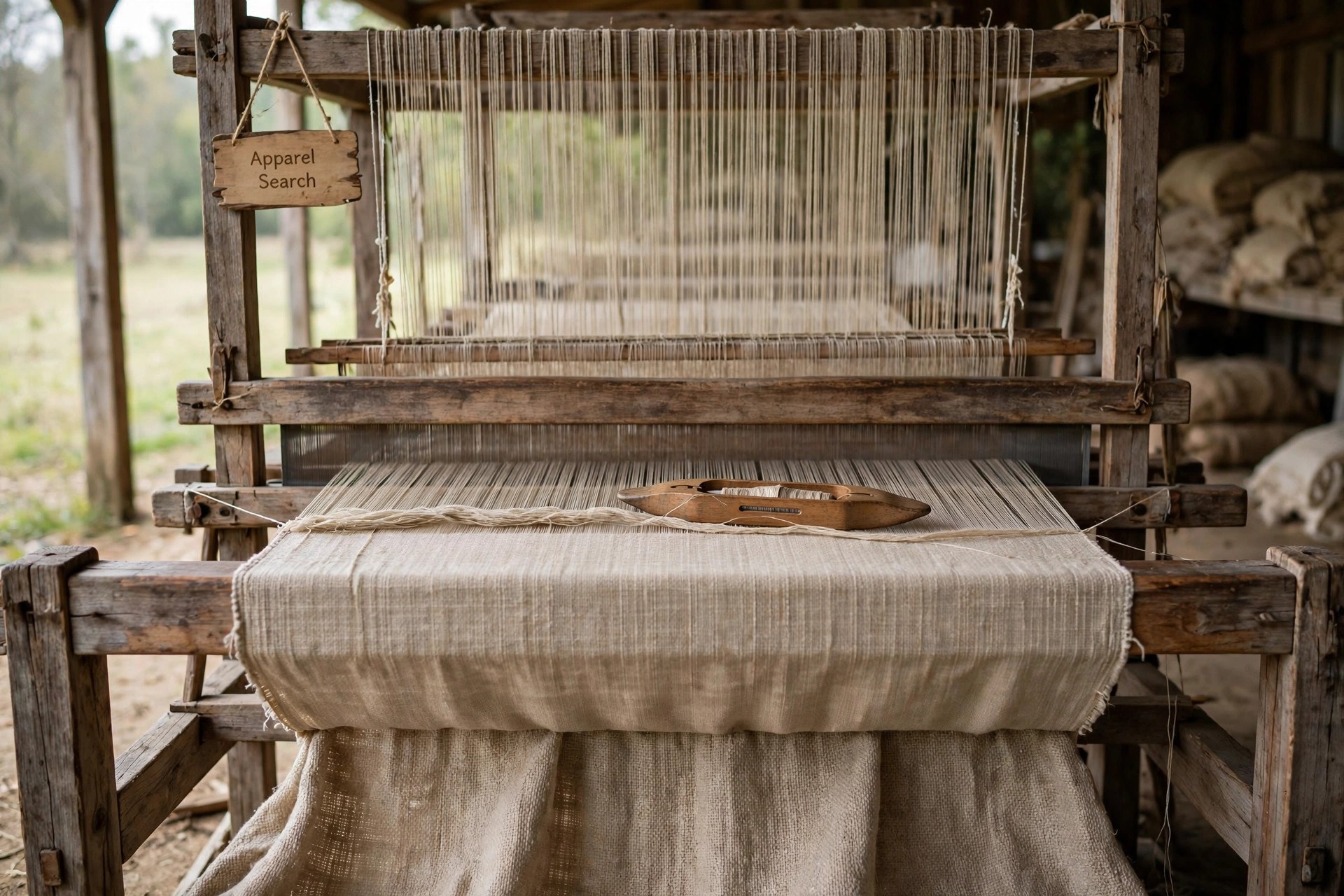
Picks per inch/inch (or p.p.i.) is the number of weft threads per inch of woven fabric.
A pick is a single weft thread, hence the term. In general, the
higher the picks per inch, the finer the fabric is.
In weaving, the weft (sometimes "woof" which is nothing to do with a dogs bark) is the thread or yarn which is drawn through, inserted over-and-under, the lengthwise warp yarns that are held in tension on a frame or loom to create cloth. The weft is threaded through the warp using a "shuttle", air jets or "rapier grippers". A single thread of the weft, crossing the warp, is called a pick. Terms do vary (for instance, in North America, the weft is sometimes referred to as the fill or the filling yarn). Each individual warp thread in a fabric is called a warp end or end. You may also want to learn about ends per inch which is regarding the warp yarn. The warp is the lengthwise or longitudinal thread in a roll, while weft is the transverse thread.
One Direction of a Two-Direction Number
Woven cloth is a grid, and grids need two counts. Picks per inch measures the horizontal threads of that grid; ends per inch measures the vertical ones. A fabric can be dense in one direction and open in the other — a warp-faced satin and a weft-faced sateen are opposite answers to the same question — so quoting picks alone, like quoting ends alone, tells half the story. Mills specify both on a construction sheet, and a buyer checking a delivery counts both with a pick glass before accepting that the cloth matches the construction that was ordered and priced.
Picks, Beat-Up and the Feel of the Cloth
The pick count is set during weaving by how firmly each weft is beaten into the fell of the cloth and how frequently picks are inserted. More picks per inch generally means a tighter, smoother, more opaque fabric with better coverage of the warp; fewer picks give a lighter, airier, more drapeable cloth — and, pushed too far, one that slips at the seams. Because yarn thickness interacts with count, fineness comes from the combination: fine yarns at high pick counts make fine cloth, while coarse yarns at the same count make a fabric that is dense but anything but fine.
Common Questions
What is a pick in weaving?
A pick is a single weft thread — one pass of the weft yarn drawn through the warp threads across the loom. Picks per inch counts how many picks sit in one inch of fabric.
What is the weft called in North America?
The weft is sometimes referred to as the fill or filling yarn in North America; the lengthwise threads it crosses are the warp.
How do picks per inch and ends per inch differ?
Picks per inch counts weft (crosswise) threads; ends per inch counts warp (lengthwise) threads. Together they describe the density and balance of a woven fabric.